
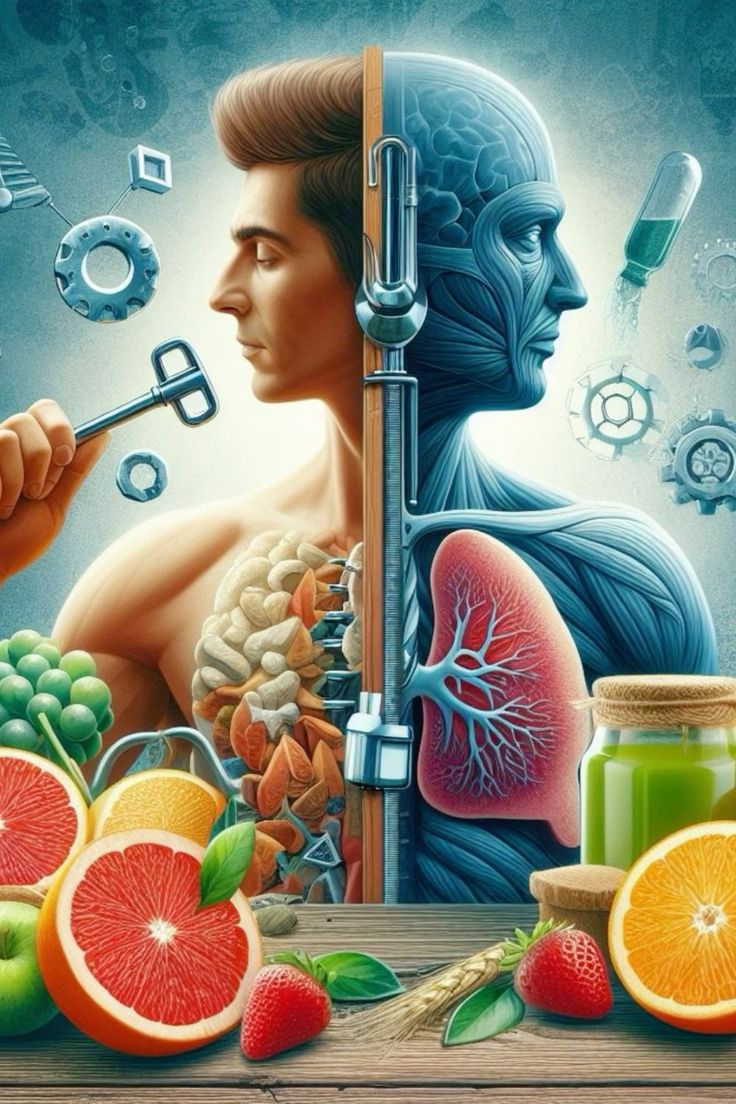
“Herbal Healing”
Medicine has experienced a lot of advancement in the contemporary science and technological world. Millions of people all around the world continue to rely on the oldest type of healing known to the human species, herbal medicine, because of the existence of modern drugs which are fast-acting and the latest treatments which can be found in the modern hospitals. Then, what is better, the nature medication by herbs or the chemically developed contemporary medications? We are going to discuss the dissimilarities, advantages, threats, and the reality of both sides. Herbal Medicine Herbal medicine Herbal medicine, or botanical medicine, phytotherapy is the use of plants and other natural extracts, to treat diseases and enhance health. Since turmeric was used to treat inflammation and ginger was used to treat digestion and aloe was used to treat skin matters, these natural medicines have existed in the life of human beings since thousands of years ago. Ayurveda, Traditional Chinese Medicine (TCM) and Unani are all traditional systems, which are founded on herbal healing principles. The main argument of herbal medicine lies in the fact that self-cure of the human body is possible, and plants can assist in this process with the help of their insidious and harmless influence on the body systems. ???? What are modern drugs? Modern or allopathic medicine is founded on scientific studies, lab tests and exact preparation. Years of experimentation are taken to result in drugs that specifically act on a biological pathway. They usually come in handy to produce rapid symptomatic remedy, and they are in fact effective in treatment or control of diseases: antibiotics to treat infection, analgesics to treat pain, or antidepressants to treat mental illness. The modern medicine is oriented to the evidence-based treatment under which all drugs must undergo very strict testing concerning their safety and effectiveness. Such a scientific rigor will guarantee that medications will have predictable results in terms of their dosage, side effects, and result. ⚖️ The principal differences between the herbal and modern medicine.
“Herbal Medicine Benefits”
Classification -Herbal Medicine. Source Natural (plants, roots, leaves, oils) Synthetic or purified chemical compounds. Approach considers the entire body as a system considers one symptom or organ. Speed of Action Slow yet long term Fast, effective in emergencies. Side Effects They are usually mild and safe when taken properly Can be severe and more frequent. Scientific Evidence: *Weak or uncertain in few instances *Very strong, research and clinical trials. Availability\tEasy accessibility and less expensive in most instances. The source, dosage and purity are regulated and standardized with reference to safety. ???? Benefits of Herbal Medicine Natural Healing: Herbal medicine does not repress the symptoms or counteract self-healing of the body. Fewer Side Effects: Herbs normally have mild side effects when properly used as opposed to synthetic drugs. Long-Term Benefits: Herbs such as Ashwagandha, Ginseng and Turmeric may enhance energy, immunity and resistance to stress with time. Accessibility: A great number of herbal remedies are locally available, or pickable, and significantly cheaper than pharmaceutical drugs.
“Holistic Healing”
Holistic Approach: Herbalists do not cure disease, but the body, mind and spirit to enhance general well being. ???? Constrictions and Dangers of Herbal medicine. Herbal medicine, however natural in its attraction, cannot pass without limitations: Lack of Standardization: The strength and goodness of herbs may be different based on their place and manner of cultivating them. Delayed Results: It normally takes longer before herbs begin to be seen. Drug Interactions: Herbs may be an interaction with current drugs- such as St. Johns Wort can decrease the action of antidepressants. Lack of Regulation: These herbal products are not tested on safety and purity in most countries and therefore, they can be contaminated or mislabeled.
“Limitations of Modern Medicine”
Advantages of Modern Drugs Fast and Focused Relief Modern medicine is quick – best when it has to be used in an emergency, with an infection, or an injury. Scientific Testing: All the contemporary medicines undergo intense clinical trials to determine their safety and effectiveness. Precise Dosage: Doses are standardized and this ensures that all patients have the same efficacy. Wide Availability: Pharmacies and hospitals guarantee convenient access to significant treatments. Life-Saving Treatments: Some of the contemporary medical wonders that save millions of lives annually include antibiotics, vaccination and insulin. ⚠️ Limitations of Modern Drugs Side Effects: There are side effects to the prolonged use of a significant number of pharmaceutical drugs.
“Drug Addiction and Misuse”
Dependency: Withdrawal: The excessive use of certain drugs, which include painkillers or sleeping pills, is associated with addiction or tolerance. Price: Branded medicine and hospital care is extremely costly. Over-prescription: The drugs are prescribed rather unnecessarily resulting in overmedication or even resistance to even antibiotics. Is it possible to have Herbal and Modern Medicine coexisted? Yes – and this method is referred to as Integrative Medicine. It joins the two worlds together scientific power offered by the modern medicine and natural support via the herb remedies. Indicatively: Cancer patients use herbal teas to reduce the side effect of chemotherapy. They can also use prescribed medication to treat anxiety and other natural adaptogens like Ashwagandha.
“Using Both Safely”
Herbal supplements can be added to traditional medicine to relieve joint pains or digestion as prescribed by physicians. This should however, always be done with guidance of a doctor as even natural herbs may be subject to interactions with prescription drugs. Finding Balance – The Intelligent Way The reality though is that there is no single- herbal medicine nor modern drugs- which is superior under all circumstances. Both have their role to play in health and healing: With chronic conditions such as stress and fatigue and even immunity, herbal medicine tends to be naturally effective. Modern drugs are needed in case of acute illnesses, e.g., infection or fracture, or heart attack.
“The Best Balance”
Balance is the most effective tool, the wisdom of nature combined with the accuracy of science to be healthy and safe. Conclusions Herbal medicine is a reminder of the therapeutic efficacy of nature and modern medicine demonstrates the genius of the innovation. It implies that as opposed to side-taking, we need to learn how to accommodate the two: we should trust science when it is needed and we should use nature as our weapon in keeping ourselves healthy. We may make better informed choices on health by being aware of the strengths and weaknesses of each as well as making better choices about health on behalf of ourselves and our family.