“The Body in Motion”
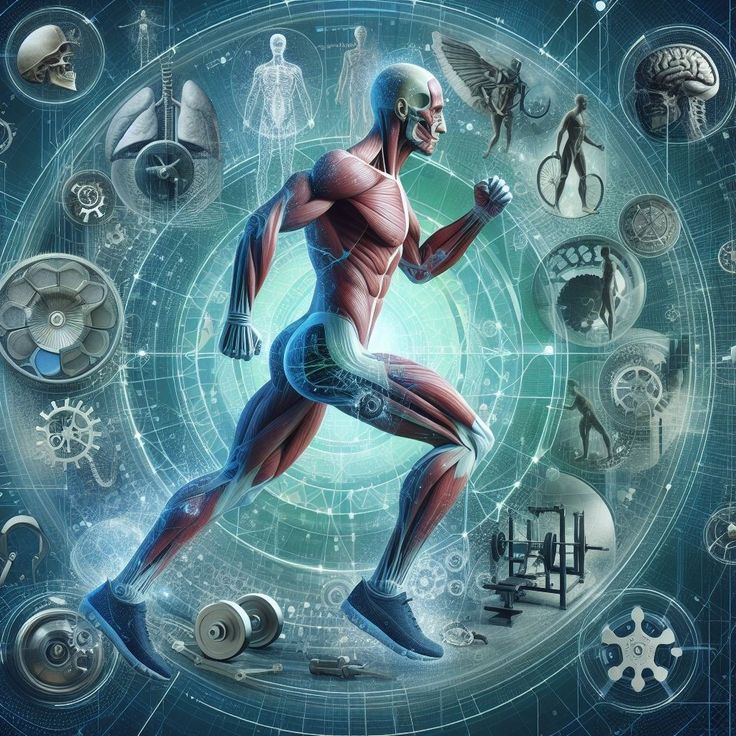
Exercise physiology, fitness, body of a human, metabolism, muscle activity, cardiovascular condition, energy system, science of exercising. Did you ever wonder what actually happens in your body when you are at gym, when you are running or possibly walking briskly? In easier terms, one can explain exercise physiology as the study of the interaction of your muscles, heart, lungs, and energy systems during the movement. No matter how good of a shape you are-weekend warrior to competitive athlete-the only difference is that you will be able to train smarter, recover faster and get better results once you understand how all of the pieces of the puzzle fit together. The Function of Exercise Physiologists. Exercise physiologists are far better than gym trainers since they are scientifically trained professionals studying the impacts of exercise on the body of human beings on both cellular and systemic levels. This includes activity in a clinical context, in helping people surmount chronic illnesses, to sports performance with the goal of maximizing athletic performance. That is, they are the intermediary of science and movement. The Response of the Body to Exercise. Whenever you get on the move, your body experiences an incredible sequence of events that are designed to address a single overriding need, namely, more energy! We can discuss the key systems of this process. 1. The Cardiovascular System: Your Motor of Perseverance. Once you start to exercise, your heart rate rises that delivers more blood-and consequently oxygen to working muscles. The blood vessels widen or enlarge (in what is called vasodilation) to permit an increase of blood flow, and your blood pressure adjusts to the new conditions and continue to get the blood flowing effectively.
“Body Systems in action”
Exercise also helps in strengthening your heart and it reduces your resting heart rate making your body more efficient in using the oxygen present in your body a measure called VO 2 max one of the best measures of cardiovascular fitness.. The Muscular System: Performance and Strength. Muscle fibers contract repeatedly, the energy required to do so being provided in the chemical reactions within your cells, when you exercise. In the long run, the result of that is increased strength and stamina, and coordination. Muscle fibers are of two major kinds:According to exercise physiology, we learn that genetics have a role in the proportion of these fibers, however, training can alter the way they carry out to maximize your strength. 3. The Respiratory System: Breathing, breathing, breathing. When you are physically active, your lungs over drive by absorbing much more oxygen and releasing carbon dioxide. As the intensity becomes high, the rate and depth of breathing are also elevated. In the lungs, gas exchange occurs at the alveoli, which are small sacs during which oxygen enters the blood as the carbon dioxide is released. Regular training helps your lungs and your respiratory muscles work more effectively and therefore you will no longer feel out of breath when exercising.
“Fuel and Rest “
ATP-PC System (Phosphagen System): Instills quick bursts of energy of approximately 10 seconds. Oxidative System (Aerobic): It uses oxygen to develop energy to be used in activities with longer duration and lower intensity such as jogging or swimming. Exercise physiology assists athletes to balance the training to these systems in order to enhance speed and endurance. Adaptations: The Strengthening of the Body. There are major adaptations which include: Growth in mitochondrial density: More mitochondria corresponds to the presence of more sources of power in the cell, namely, more mitochondria. Better metabolism implies that your body is trained to burn more fat. Such physiological changes do not happen overnight; it is the culmination of progressive overload, or your body is exposed to the slowly increasing amounts of resistance and intensity and duration. The Benefit of Nutrition and Recovery. It is also stressed in exercise physiology that training is not in a vacuum. Performance and health are also inseparable with nutrition and recovery. High-intensity workouts are fuelled by carbohydrates. Proteins play a role in muscles repair and development. Fats contain sustained energy. Hydration regulates temperature and contributes to the efficiency of the cardiovascular system.
“Power of Sleep”
Meanwhile, functions of rebuilding tissues, replenishing glycogen and balancing hormones, including cortisol and testosterone are performed by sleep and active recovery. In their absence we may well be stalled-or worse overtrained. Exercise Physiology in the Real World. Exercise physiology does not necessarily require one to be an athlete to use. The principles can be found by any individual who attempts a healthier life. The advantages of exercise are: Minimize the chance of heart disease, diabetes and obesity. Enhance bone and joint strength to lessen the possibility of injury. Minor, consistent practices, such as taking more steps, stretching, or lifting low-weight items, can have some effective physiological results in the long run. Exercise Physiology in the Future. Exercise physiology is currently among the most rapidly evolving fields with the advances in wearable technology, AI-powered training, and genetics.
“Smart Exercise Technology”
Scientists can measure in real-time such parameters as the variability of the heart rate, lactate threshold, and muscle oxygenation, so that the person can be provided with the precise feedback to optimize performance and health. Individual exercise prescriptions may become the new standard in the near future, and it would be based on the specifics of the biology and objectives of an individual.