
“Introduction”
The human brain is perceived as the most complicated one in the whole universe, as it regulates not only the thoughts and movements of the person but also sensations, memory, and feelings. In the background of this amazing system is neurology which is the study of disorders, diagnosis and treatment of the brain, spinal cord and nerves. As neurological disorders continue to rise all over the world, the necessity to know how the nervous system operates, and how everything can go wrong has never been higher. This paper will discuss the definition of neurology, some of the most common neurological diseases, diagnosis, and treatment of the diseases by a neurologist, and why an early diagnosis of any disease can be everything
“What is Neurology”
The control centre of the body is the brain. Peripheral nerves- This is a network of nerves that connects the brain and the spinal cord to the limbs and organs. The nervous system is the body electrical wiring, which passes the messages that can be breathing and walking, thinking and feeling. In case something gets in the way of the normal transmission of these signals, neurological symptoms occur. General Neurological Thalamic Dysfunctions. Neurology is a term that is used to refer to both mild and temporary diseases as well as chronic or life threatening diseases.
“Most Widespread Neurological Disorders”
1. Stroke A stroke is a form of damage that occurs within the brain, and it has been disrupted by some force concerning blood circulation. It is a life-threatening condition, which needs urgent treatment.
2. Migraine and Headaches The most frequent neurological complaints are the chronic headaches and migraines. Migraines are commonly related to nausea, light sensitivity and throbbing pains which can significantly impact life.
3. Epilepsy Epilepsy is a disease that involves the central nervous system where the seizures recur due to un- normal brain activities. Modern medications have been successful in controlling epilepsy in many people and they are able to lead normal lives.
“Multiple Sclirosis”
1. Alzheimer Disease and Dementia. These are the conditions that are characterized by a gradual deterioration of memory and cognitive ability. Symptoms and the progression of the illness can be slowed down and managed with medication and cognitive therapy with early diagnosis.
2. Parkinson’s Disease A motor disorder resulting in shaky pains, rigidity, and slowness of movements. Parkinson is a disease that develops as a result of the deficiency of dopamine, a crucial neurochemical involved in the process of coordinating movements.
3. Multiple Sclerosis (MS) A medical anomaly in which the immune system of the body assaults the protective sheathing of nerves resulting in weakness, fatigue, and impaired coordination and balance.
4. Peripheral Neuropathy This entails injury to the peripheral nerves of the brain and spinal cord which is usually as a result of diabetes, infections or toxins. The symptoms include tingling, numbness and burningness in the hands or feet. The neurological symptoms may be highly diverse, and as a result, they may make many individuals postpone medical consultations, believing that they experience minor symptoms. Constant or intensive headaches. Acute vision, speech or memory loss.
“Diagnosis Of Neurological Disorders”
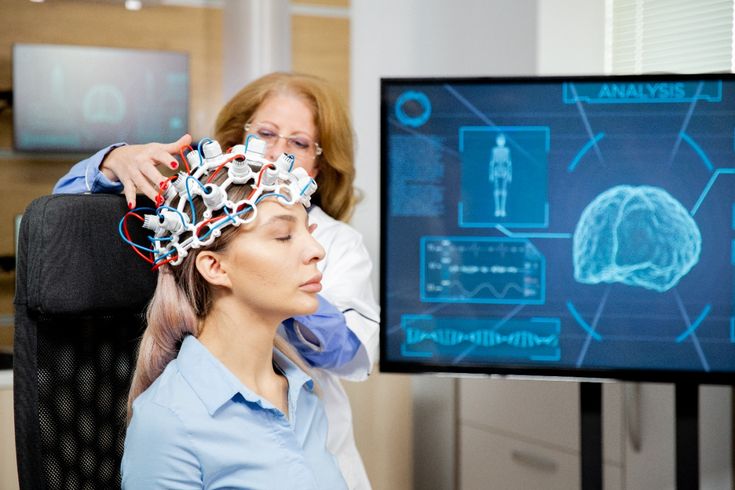
The complications will be avoided and the long-term results will be improved by early diagnosis and treatment. Diagnostic of Neurological Disorders. Diagnoses of neurological disorders need clinical acumen and the use of high technology. The work of the neurologist will start with a full history and a physical examination of the neurology, and then the specialist will pass to the special tests: MRI (Magnetic Resonance Imaging) and CT scans- to image the brain and the spinal cord. EEG: Electroencephalogram – electrical activity of the brain that is recorded and used to identify the position of seizure or abnormal pattern. Lumbar Puncture (Spinal Tap) – it will examine cerebrospinal fluid in order to determine infections or autoimmune diseases. Blood Tests- to determine causal metabolic and genetic factors. Neurologists can identify even minor abnormalities in their initial stages with the available diagnostic methods and therefore provide effective treatment. Neurological Disorders Treatment and Management. The type of treatment will depend on the underlying condition but in most cases there will be a combination of medication