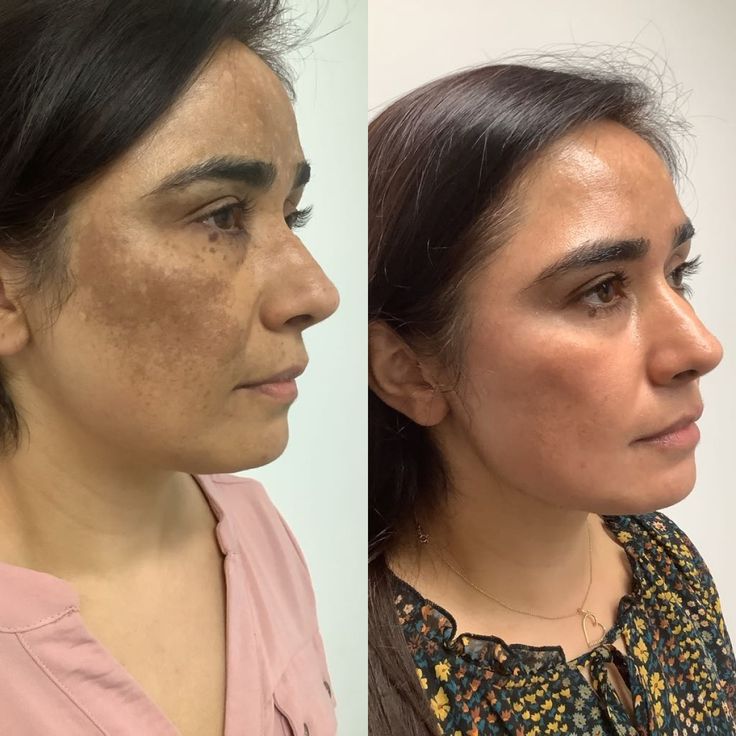
“Introduction”
The biggest body organ, a breathing, living barrier between the inside and the outside world is the skin. It shields against contagion, light, air pollution and bodily harm. The skin also actively participates in the temperature regulation system, along with the reflection of the overall state of our body. Nevertheless, being constantly exposed to a number of external and internal factors, it is prone to numerous disorders. Skin problems may occur to any person irrespective of age or the living conditions because the causes are as varied as minor irritations and allergies on the one hand, as chronic diseases eczema, psoriasis, or acne on the other. This blog investigates into the prevalent causes, types, symptoms and treatment of skin problems and how one can protect and keep his or her skin healthy. Ordinary Reasons of Skin Problems. A mixture of internal and external factors could result in the development of conditions of skin.
“Common Causes Of Skin Problems”
The most frequent reasons might be one of the following ones: Genetics: A lot of skin disorders, including eczema or psoriasis are genetic. Additionally, acne or pigmentation may be as a result of the change in hormones, e.g. at puberty, pregnancy and menopause. Allergies and irritants: Soaps, cosmetics, fabrics or even chemicals might lead to allergic reactions or even contact dermatitis. Infections: Skin infection caused by bacteria, fungi or viruses may be manifested by rashes, blisters, or inflammation. Environmental exposure: Sun, pollution and humidity can diminish the skin cells and cause premature ageing or skin cancer. Poor diet, dehydration, smoking, and lack of sleep are all lifestyle factors; this can have an impact on the skin and its health. Stress and mental health: Mental stress may make such conditions as acne, eczema, or psoriasis worse. The first thing is to understand the cause in order to be properly treated and prevented.
“Skin Condition And Their Management”
Skin conditions are hundreds; nevertheless, there are some quite popular. The most frequently experienced skin problems and their symptoms and a management choice have been listed here: 1. Acne Acne is a common skin condition in the whole world especially among teenagers and young adults. It is caused by the obstructed hair follicles with oil, dead cells, and bacteria. Symptoms: Pimples, blackheads, whiteheads and cysts. Treatment: Topical creams with either benzoyl peroxide or retinoids, oral drugs, or simple lifestyle modifications i.e. proper diet and gentle skincare usually manage acne. In extreme situations, the dermatologists have several processes at their disposal, such as the chemical peels and laser treatment. 2. Eczema (Atopic Dermatitis) Eczema is a long-term skin disease where red itchy patches appear dry and usually start when one is a child and may either escalate when they are stressed or when they come into contact with an allergen.
“Symptoms”
Dry, itchy, cracked skin Treatment: Eczema is a disease which is manageable using moisturizers, corticosteroid creams, and antihistamines. Long-term control is associated with the identification and prevention of triggers, such as some soaps or fabrics. 3. Psoriasis Psoriasis is an autoimmune disorder that occurs when skin cells are formed in an abnormally accelerated rate, in the form of thick and scaly spots. The condition normally attacks the lower back, elbows, knees, scalp, and lower back. Symptoms: Red patches raised all over with silvery-white scales. Treatment: The causes of lifestyle, such as alcohol avoidance and stress management, reduce flare-ups. 4. Fungal Infections The fungi thrive in warm and moist regions of the body including in between the toes, armpits and groin. Fungal infections prevalent among people are athlete foot, ringworm and yeast infection. Symptoms: Itching, redness, and scaling Circular or patchy rashes Peeling or cracking skin Treatment: 5 Symptoms: Redness and swelling. Blisters or peeling skin Treatment: The best solution is to prevent the precipitating agent. 6. Rosacea Rosacea is a long-term condition of the facial skin that is accompanied by the redness of the skin, visible blood vessels, and acne-like spots. It tends to impact on people with fair skin that are adults
“Other Skin Disorders”
Dry, itchy, cracked skin Treatment: Eczema is a disease which is manageable using moisturizers, corticosteroid creams, and antihistamines. Long-term control is associated with the identification and prevention of triggers, such as some soaps or fabrics. 3. Psoriasis Psoriasis is an autoimmune disorder that occurs when skin cells are formed in an abnormally accelerated rate, in the form of thick and scaly spots. The condition normally attacks the lower back, elbows, knees, scalp, and lower back. Symptoms: Red patches raised all over with silvery-white scales. Treatment: The causes of lifestyle, such as alcohol avoidance and stress management, reduce flare-ups. 4. Fungal Infections The fungi thrive in warm and moist regions of the body including in between the toes, armpits and groin. Fungal infections prevalent among people are athlete foot, ringworm and yeast infection. Symptoms: Itching, redness, and scaling Circular or patchy rashes Peeling or cracking skin Treatment: 5 Symptoms: Redness and swelling. Blisters or peeling skin Treatment: The best solution is to prevent the precipitating agent. 6. Rosacea Rosacea is a long-term condition of the facial skin that is accompanied by the redness of the skin, visible blood vessels, and acne-like spots. It tends to impact on people with fair skin that are adults.