“Introduction”
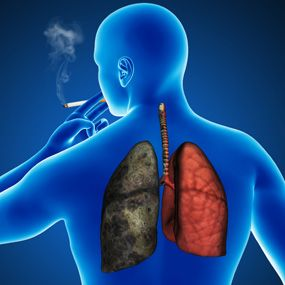
Smoking is perhaps the most deadly habit that has reached the lives of millions of people all over the world. Despite the awareness program and warning labels on the packets of cigarettes, many people smoke due to addiction, peer pressure or stress. What initially starts out as a harmless puff can be easily escalated into a lifetime addiction that destroys almost all body organs. The impacts of smoking are much wider than those of the person who smokes it also extends to family members and the whole society through passive or second hand smoking. The Science of Addiction to Smoking. Nicotine is a strong and addictive drug that is a stimulant present in smokes. When a person smokes, the nicotine reaches the brain within a few seconds and activates the brain to release dopamine hormone which makes one feel relaxed and pleased. This momentarily gives one a feeling of rest and pleasure. When the effect dies down, however, the brain becomes addicted to more and more nicotine and addiction develops. Over time, the body becomes accustomed to nicotine and it takes larger quantities of cigarettes to get the same effect on the smoker. That is the way that addiction creeps in; silently, but unstoppably. It turns out to be more of a habit rather than a physical and psychological dependency. Health Risks of Smoking The dangers of smoking to health are not exactly a secret. Over 8 million deaths annually because of smoking are experienced everywhere in the world with 1.3 million of such deaths being non smokers who fall prey of passive smoking. Smoking could damage virtually every part of the body. 1. Respiratory Diseases Smoking directly affects the lungs and the airways. Smoking causes chronic bronchitis, emphysema and COPD. Smokers are likely to cough, wheeze and experience difficulty in breathing. The lung tissues get tough and it becomes difficult to breathe easily with time. 2. Heart and Blood Vessle Problems. Tobacco has nicotine and other toxins that narrow blood vessels, increase blood pressure and heart rate. This significantly increases the chances of heart attack, stroke and peripheral artery disease. It also raises the level of bad cholesterol (LDL) and lowers the level of good cholesterol (HDL) that overworks the heart as a result of smoking. 3. Cancer There are many forms of cancers that are caused by smoking, including lung, mouth, throat, bladder, kidney, and pancreas cancer. Smoking has been attributed to around 85% of total lung cancer. Toxic elements of tobacco smoke damage the DNA in the cells and transform normal cells to cancerous cells. 4. Impact on the Skin and Looks Not only the inner organs are damaged by smoking, but looks are also affected.
“Effects on Skin and Reproduction”
It leads to early aging, skin wrinkles and flattening. The impaired circulation of blood and the distribution of oxygen to the skin make the smokers look older than they are. 5. Reproductive and Pregnancy Problems. Smoking in men also leads to erectile dysfunction due to poor circulation of blood. It has a negative effect on fertility and increases the risk of miscarriage, low birth weight and infant premature delivery in women. Pregnancy smoking also has an effect on the development of the lungs of the baby as well as his long term health. Impact of Secondhand Smoke Smoking does not only harm the smoker. Second hand smoking also injures others nearby especially children and non-smokers. Smoking on behalf of another person may cause asthma, ear infection, respiratory infections, as well as sudden infant death syndrome (SIDS), among infants. Even the households that do not use a cigarette are also at risk of increased health risks.
“Why People Continue to Smoke”
It is therefore not only a personal choice to quit smoking but also due to the people one loves. Why People Still Smoke Though majority of the smokers are aware of the hazards, it is very difficult to quit. The factors that motivate people to smoke include: Addiction Nicotine is highly addictive. Quitting becomes difficult due to the withdrawal symptoms such as irritability, anxiety, and headaches. Stress Relief: Smokers feel that, the smoking helps them to get rid of stress or tension but this is temporary. Social Influence: The behavior is encouraged in social environments and peer influence in which cigarette smoking is very common. Awareness or Support Lack: People either underestimate the impact of the health condition in the long run or lack emotional and medical support to quit.
“Benefits of Quitting Smoking”
It is vital to identify these triggers to any person trying to quit smoking addiction. The Benefits of Quitting Smoking. Quitting smoking has both immediate and long-term health benefits of any age and length of smoking. The rate of heart and blood pressure begin to reduce in minutes of quitting smoking. In a few weeks of quitting, lung health is improved, and the circulation is improved. The following are some of the events that take place when you quit: 20 minutes: The pulse returns to normal. 12 hours: The level of carbon monoxide in the blood returns to normal10 years: Death rate of lung cancer decreases to approximately 50 percent of a smoker. 15 years: There is an equal risk of heart disease as with a person who never smoked.
“Tips to Quit Smoking”
Other than health, cessation also results in savings of money, better appearance, cleaner air, and better taste and smell. Quit Smoking Tips Quitting smoking is not easy and yet it is completely possible when one is determined and has supportAvoid Triggers: This is where you should avoid persons, places, or situations that compel you to smoke. Get Support: Speak with a counselor, get into a support group or use your family and friends. Take Nicotine replacement therapy: Consume nicotine patches, gums, or lozenges, which would help to reduce withdrawal symptoms. Stay Active: Physically active to distract and get into good mood. Reward Yourself: Reward yourself on achievements achieved- every smoke free day counts as an achievement.